flea-flex.jpg
An official website of the State of Georgia.
The .gov means it’s official.
Local, state, and federal government websites often end in .gov. State of Georgia government websites and email systems use “georgia.gov” or “ga.gov” at the end of the address. Before sharing sensitive or personal information, make sure you’re on an official state website.
Still not sure?
Call 1-800-GEORGIA to verify that a website is an official website of the State of Georgia.
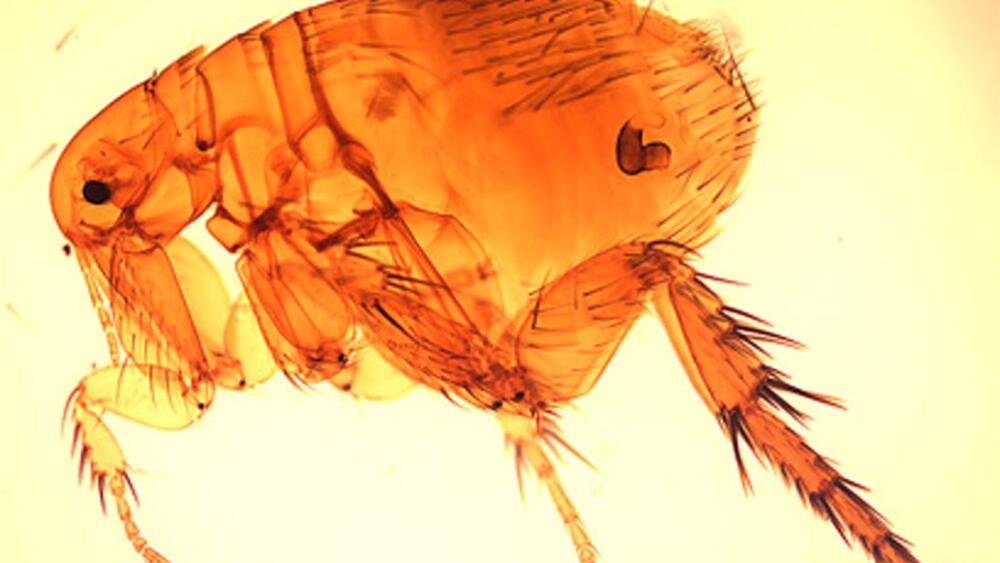
Flea-borne (also known as “murine” or “endemic”) typhus is a rickettsial disease caused by Rickettsia typhi. This disease can be spread by infected fleas carried on small mammals such as rats, opossums, cats, and dogs.
Onset is sudden and symptoms can include:
Sometimes flea-borne typhus can cause serious symptoms that may result in hospitalization. If you suspect you have flea-borne typhus, it is important to talk to a healthcare provider so they can assess the need for testing and treatment.
There is no vaccine for flea-borne typhus. The best way to protect yourself is to avoid contact with fleas and the animals that carry them.

If your doctor suspects you have flea-borne typhus, they may order a blood test to confirm the diagnosis. However, because flea-borne typhus can become serious, treatment with antibiotics should not wait for test results if the disease is suspected.
Some of the commonly available (antibody) blood tests for flea-borne typhus aren't always accurate in the first week of illness, since it can take about a week for your body to produce enough antibodies to detect. This means a negative test early on doesn't necessarily rule out the disease. Your doctor may need to test a second blood sample a few weeks later to confirm the diagnosis or use a different type of test (PCR) that can detect the bacteria itself rather than your body's response to it. Not all labs will have PCR testing, so this may require a sample to be sent to other labs for testing.
Flea-borne typhus is treated with the antibiotic doxycycline. Doxycycline can be used in people of all ages and is most effective when started early. While flea-borne typhus is usually a self-limited disease, the severity of symptoms can vary widely. Your doctor will determine whether treatment is right for your situation.
Cases of flea-borne typhus are currently not tracked in Georgia. However, cases are tracked and increasing in other states (including California, Hawaii, and Texas). The Georgia Department of Public Health is monitoring the situation. If you have recently traveled to one of these states and are experiencing symptoms, let your provider know your travel history, as exposure history helps narrow down potential sources of illness.
Last updated 10/07/2026